The question is no longer whether technology belongs in education. The real question is this:
Should 1:1 devices become the primary way students learn, or do textbooks and paper still offer advantages that schools should not ignore?
At Edge Computers, we work with schools that are navigating exactly this decision. And the truth is, both approaches bring real value. But when schools want to prepare students for the future, 1:1 devices often lead the way.
The Case for 1:1 Devices
A 1:1 classroom creates a learning environment where every student has direct access to digital tools and online resources. That access can transform the pace and depth of learning.
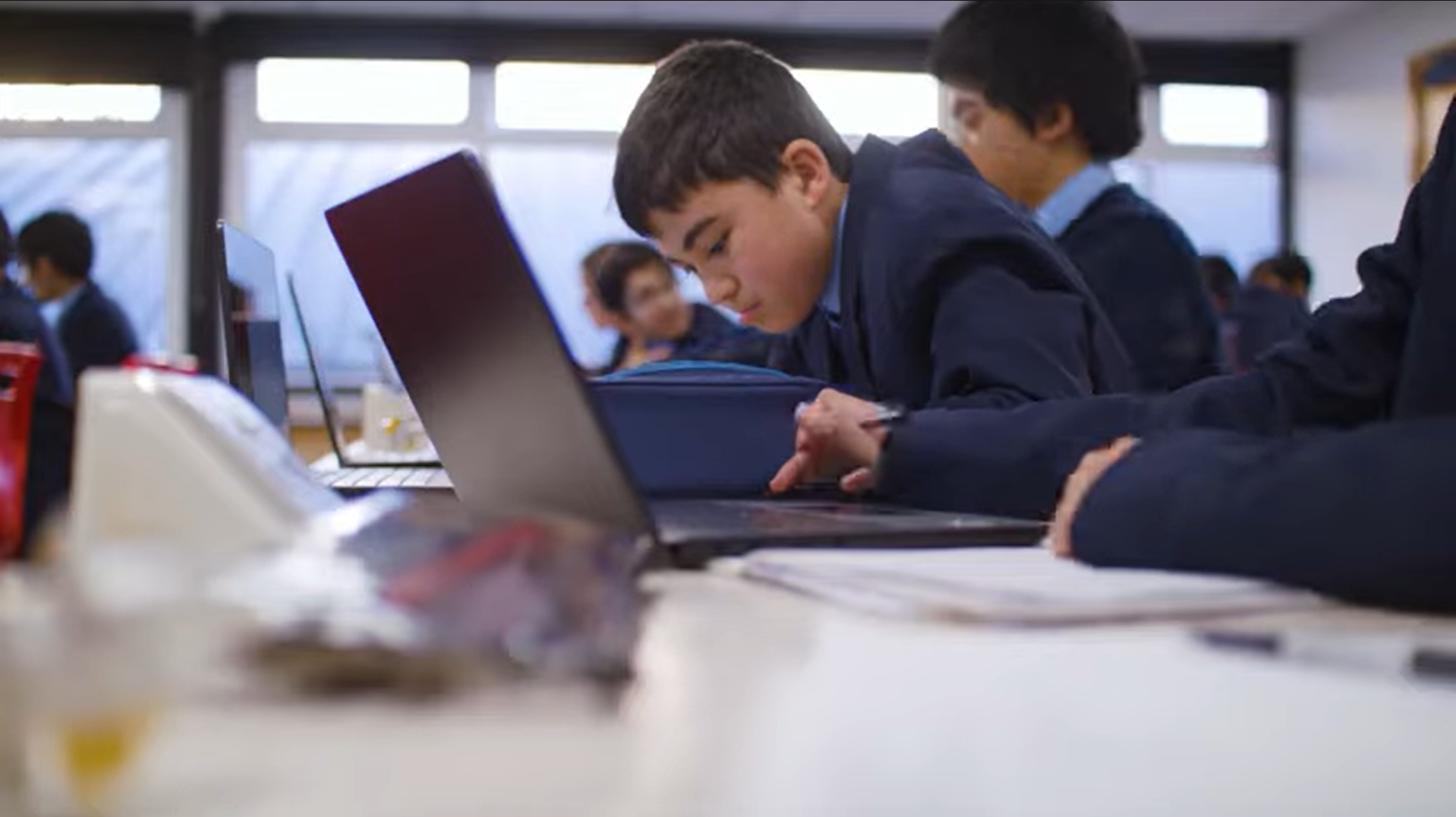
With a device in every student’s hand, teachers can instantly share assignments and adapt lessons for different learning levels. Students can research in real time, collaborate on shared documents, watch instructional videos, complete interactive assessments, and receive immediate feedback. Learning becomes more dynamic and responsive.
This model also reflects the world students are growing up in. Digital literacy is no longer optional. From higher education to the modern workforce, students are expected to know how to navigate devices, communicate online, organize digital files, and use productivity software effectively. A 1:1 program helps build those habits early.
There is also a practical advantage. Digital resources are easier to update than printed textbooks, which can become outdated quickly. Schools can rely less on physical materials, which helps reduce the weight students carry in their backpacks. It also allows students to have more consistent access to learning tools both in the classroom and at home.
Why Textbooks and Paper Still Matter
Even with all the benefits of classroom technology, textbooks and paper remain valuable learning tools. In fact, many educators still prefer them for certain tasks.
For some students, reading from paper feels more focused and less mentally tiring than reading on a screen for long periods.
Textbooks also provide structure. A physical book offers a clear beginning, middle, and end, which can help students stay grounded in a subject. Annotating margins, highlighting passages, and flipping through pages can support comprehension in ways that feel natural to many learners.
Writing by hand has benefits too. Note-taking on paper can encourage better processing and retention for some students, especially when the goal is deep understanding rather than speed.
So while technology expands possibility, traditional tools still support concentration, memory, and foundational academic habits.
The Real Difference: Flexibility vs. Familiarity
When schools compare 1:1 devices with textbooks and paper, the debate often comes down to flexibility versus familiarity.
Textbooks and paper are familiar, dependable, and simple. They do not require charging, updates, passwords, or Wi-Fi access. They work the same way every day.
1:1 devices, however, offer something traditional materials cannot: adaptability. A single device can serve as a textbook, notebook, research library, writing lab, collaboration space, and assessment tool all at once. It can also support accessibility features that can make a major difference for students with diverse learning needs. Features like text-to-speech and easy translation make learning even more accessible for children.
That flexibility is one of the strongest arguments for using devices as a primary learning tool.
So Which Approach Is Better?
The strongest classrooms are not built around nostalgia, they move forward with the times and provide their students with the best tools for the future.
If the goal is to create a flexible learning environment, 1:1 devices offer a clear advantage as the primary platform. They prepare students for a digital world, expand access to resources, and give teachers more ways to teach effectively.
But that does not mean textbooks and paper should disappear entirely.
The best educational environments understand that technology is most powerful when used intentionally. Students may draft essays on a device, but brainstorm on paper. Still using the traditional methods for notes and rough working will always benefit students and providing that hybrid way of working sets them up for the future.
Final Thoughts
The future of education is not about choosing between innovation and tradition. It is about knowing how to use each tool well.
Textbooks and paper still have their strengths, but 1:1 devices open the door to a more personalized, connected, and future-ready classroom. For many schools, that makes them the stronger primary learning tool.